
Introduction
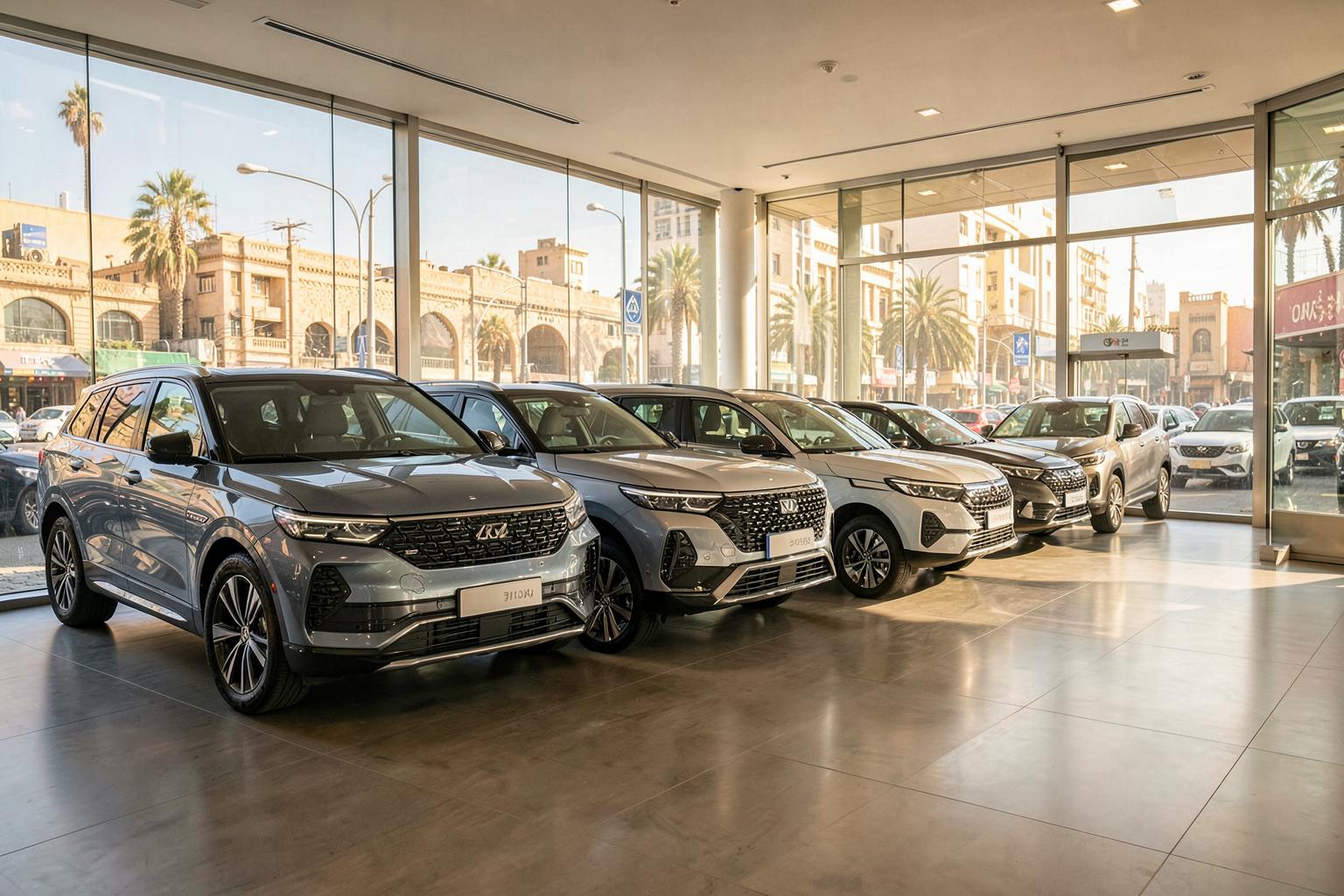
Over the past few years, Chinese car brands have moved from the margins of Egypt's automotive market to its mainstream. Brands that Egyptian buyers barely knew a decade ago now compete head-to-head with long-established European, Japanese and Korean nameplates — and in several segments, they lead on sales volume.
For automotive companies, this shift raises urgent questions: What does the Egyptian buyer actually think of Chinese brands? Where is trust strong and where is it fragile? Which features, financing options and aftersales promises move a buyer from consideration to purchase? These are questions only structured market research can answer.
Why Chinese Brands Are Gaining Ground in Egypt
Several forces are working in their favor. Aggressive pricing puts well-equipped models within reach of middle-income buyers. Feature-per-pound value — large touchscreens, advanced driver assistance, panoramic roofs — arrives at price points legacy brands rarely match. Local assembly partnerships are reducing costs and signaling long-term commitment to the market.
At the same time, currency pressure and import restrictions have pushed up the prices of traditional competitors, opening a window that Chinese manufacturers have moved through quickly, with expanding dealer and service networks across Cairo, Alexandria and the Delta and Upper Egypt governorates.
What Egyptian Buyers Really Think
Purchase intent for Chinese brands is rising, but so are the questions buyers ask: Will spare parts be available in three years? What is the resale value? How strong is the service network outside Cairo? Perceived quality is improving model by model, yet residual concerns about durability and aftersales support still shape final decisions.
These perceptions differ sharply by segment — first-time buyers, family upgraders, fleet and ride-hailing operators, and premium intenders each weigh price, brand trust, technology and total cost of ownership differently. Treating 'the Egyptian car buyer' as one audience is the most common strategy mistake in this market.
The Research That Drives Winning Automotive Strategy
Brand health tracking: measure awareness, consideration, trust and image for your brand against Chinese and legacy competitors, wave after wave.
Purchase funnel and buyer studies: map the journey from first trigger to showroom visit to final decision, and identify exactly where buyers drop off.
Product and feature clinics: test new models, trims and feature bundles with real Egyptian buyers before committing to a launch configuration.
Pricing and willingness-to-pay studies: find the price points that maximize volume without destroying perceived value.
Showroom and service mystery shopping: audit the actual experience dealers deliver — sales pitch quality, test-drive handling, service turnaround — across the network.
Aftersales satisfaction (CSAT/NPS): aftersales reputation is where Chinese brands will win or lose the next five years in Egypt.
For Chinese Brands Entering or Expanding in Egypt
Market entry and expansion decisions — which segments to target, how to position against entrenched brands, which cities and dealer formats to prioritize, how to localize marketing — all benefit from a structured evidence base rather than assumptions imported from other markets.
Freeminds MENA supports automotive brands with buyer studies, product clinics, brand tracking, dealer audits and mystery shopping across Egypt and 20 MENA markets, with fieldwork run to ESOMAR standards by local teams who know the category.
Conclusion
Chinese brands have proven they can win attention and volume in Egypt. The next battleground is trust, aftersales and loyalty — and the brands that invest in understanding the Egyptian buyer continuously will be the ones still gaining share five years from now.