
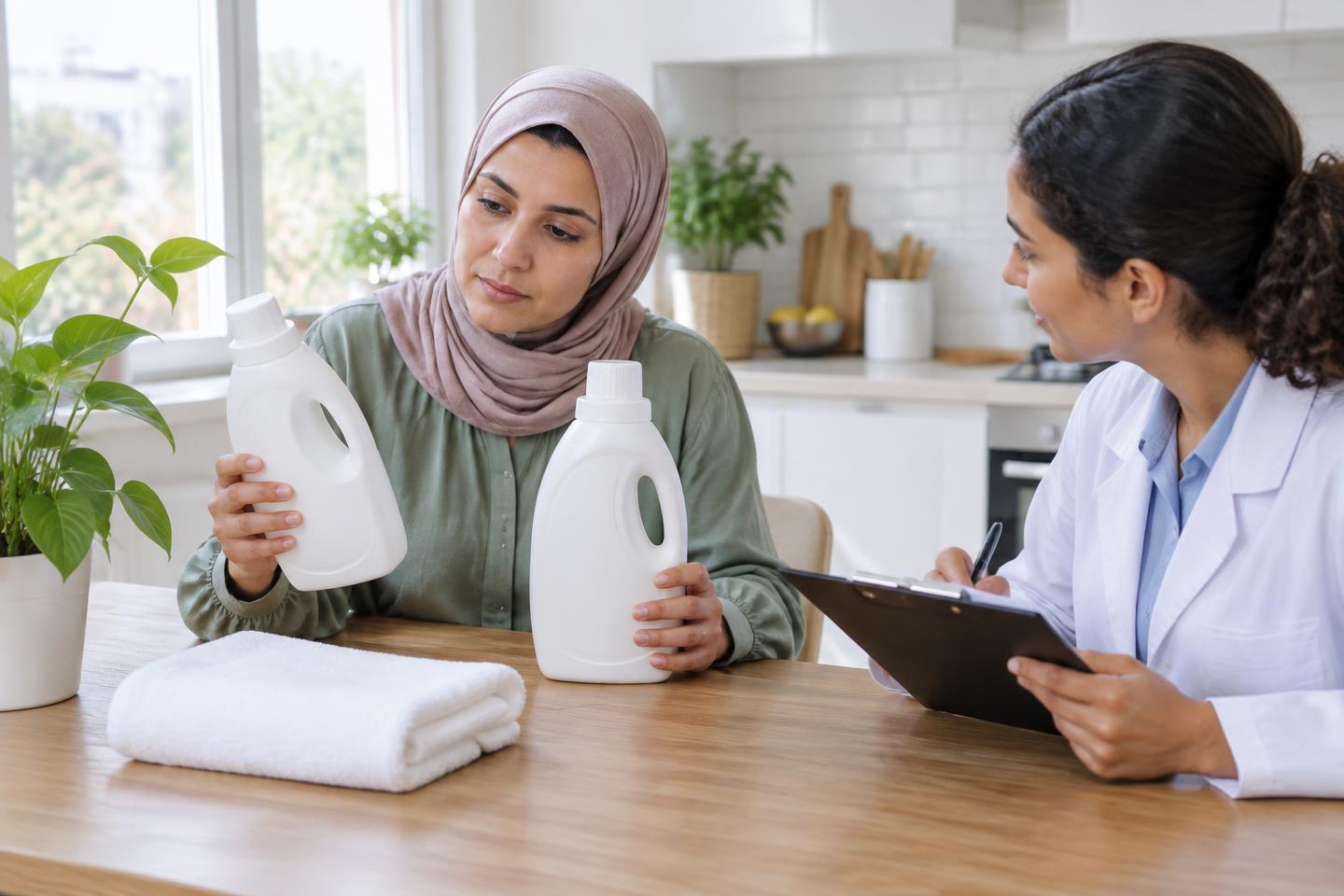
When a home-use test is the right method
A cleaning product, personal-care item or packaged food may perform differently at home than during a short supervised trial. Preparation habits, household conditions, competing products and repeated use all shape the experience. Home-use testing is valuable when the launch decision depends on these everyday conditions rather than immediate appeal alone.
It is not automatically better than a central-location test. A controlled session is useful for tightly standardized comparisons, while a home-use test trades some control for context. Decide which uncertainty matters most before selecting the method, and avoid asking one study to solve formulation, packaging, pricing and advertising simultaneously.
Recruit actual users of the category
Screen for relevant purchase and usage responsibilities, frequency of use and household circumstances. A detergent study should not recruit only people who buy the pack if someone else normally does the washing. Distinguish existing brand users from competitor users where switching is part of the decision.
Plan enough completed cases for the subgroup comparisons required, including likely dropout between product delivery and the final interview. Qualitative follow-up can explain unusual experiences but does not provide population estimates. Treat any proposed sample size as a design decision, not a universal minimum for all FMCG categories.
Protect participants and product integrity
Only distribute products cleared for the intended use, with appropriate safety instructions, ingredient information and eligibility checks. Research consent does not replace product safety obligations. Provide a contact channel for problems and a clear process for stopping participation if discomfort or an adverse event occurs.
Track batches and delivery conditions, and give consistent instructions in language participants understand. Blind packs can reduce brand effects, but essential safety information must remain available. If testing more than one product, randomize order and consider carryover effects rather than assuming every participant can compare products immediately.
Capture experience across the trial period
Use a short baseline questionnaire, concise in-use diaries and an end-of-trial evaluation. The trial duration should match realistic consumption or usage cycles. Record ease of use, performance, irritation or inconvenience, product quantity used and the occasions on which participants returned to their usual brand.
Photos or voice notes can add context when participants consent, but they should serve a clear research purpose. Avoid requesting identifiable household images unnecessarily. Distinguish missed diary entries from genuine non-use and investigate attrition before presenting a strong product preference among only the most engaged completers.
Evaluate repeat choice without overstating demand
Separate first-use liking, end-of-trial performance, preference against the usual product and willingness to buy at a specified price. A participant who likes a free sample may still reject its retail price or pack size. Purchase intent is an input to decision-making, not a guaranteed repeat-purchase rate.
Freeminds MENA can help build a product-testing brief around the formulation decision, eligible audience, comparator and success criteria. Findings should lead to a concrete next step: refine instructions, improve the product, test an adjusted proposition or proceed to a limited commercial pilot with behavior measured separately.